
Building climate-resilient communities in salima
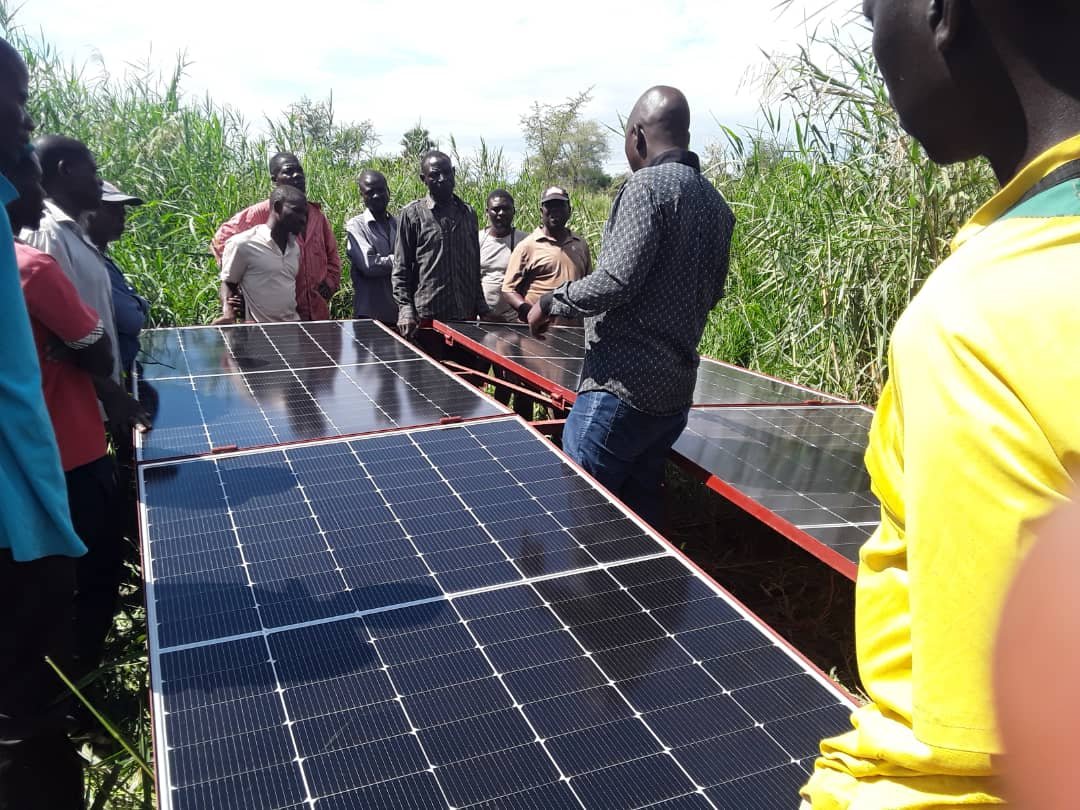
Climate change continues to reshape livelihoods across Malawi, with lakeshore districts like Salima experiencing some of the most visible impacts, erratic rainfall, prolonged dry spells, flooding, and declining natural resources. In response the Climate Just Communities Project, funded by the Scottish Government through Oxfam, is set to continue it implementation in Traditional Authorities (T/A) Pemba and T/A Ndindi in Salima District.
This project marks an important step toward strengthening integrated community resilience, ensuring that vulnerable households are not only able to cope with climate shocks but also thrive in the face of environmental and socio-economic challenges.
Why Climate Justice Matters in Salima
Communities in Salima rely heavily on natural resources; small-scale farming, and forest products for survival. However, climate variability has disrupted these traditional systems:
Frequent droughts affecting crop yields
Increased vulnerability of women and marginalized groups
Land degradation and deforestation
The Climate Just Communities Project recognizes that climate change is not just an environmental issue, it is also a matter of equity and justice. Those who contribute least to climate change are often the most affected. This project therefore places a strong emphasis on inclusive, community-driven solutions.
Project Goal: Integrated Resilience Building
At its core, the initiative focuses on integrated resilience building, a holistic approach that combines environmental, social, and economic strategies. Rather than addressing challenges in isolation, the project seeks to strengthen communities across multiple fronts simultaneously.
Key Pillars of the Project
1. Climate-Smart Livelihoods
2. Natural Resource Management
3. Disaster Risk Reduction (DRR)
4. Gender and Social Inclusion
5. Strengthening Local Governance
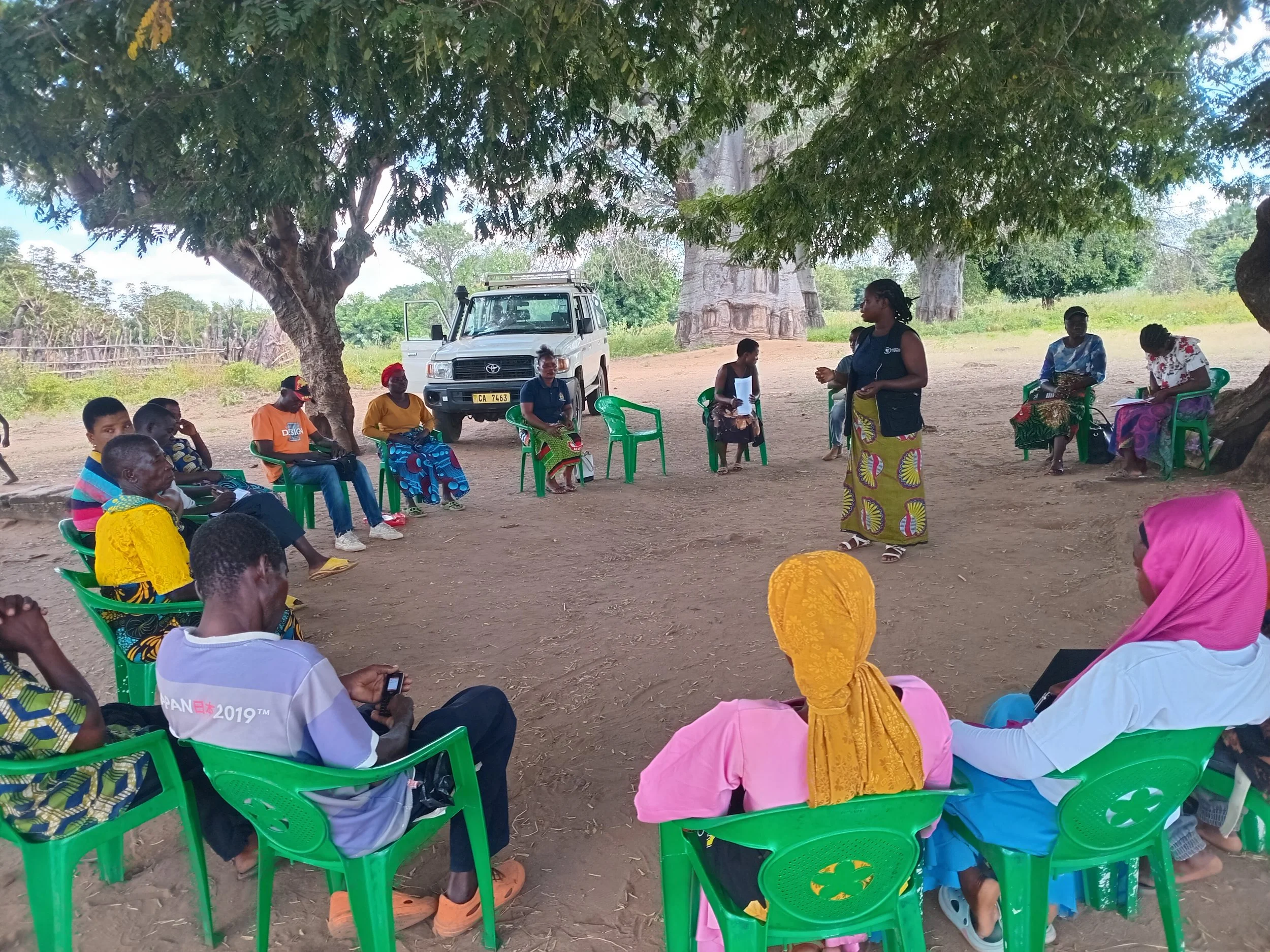
Participatory rural appraisal session
Expected Impact
By the end of the project, communities in Salima are expected to experience:
Improved food security and diversified incomes
Enhanced capacity to withstand climate shocks
Restored natural ecosystems
Greater inclusion in decision-making processes
Stronger local governance and accountability
Ultimately, the project aims to build resilient, empowered, and climate-just communities.