
Unsafe water, poor sanitation, and inadequate hygiene are leading drivers of preventable disease, malnutrition, and mortality, particularly among children. WASH gaps also undermine education outcomes, women’s dignity, and community resilience during emergencies and outbreaks.
water, sanitation and hygiene
access to drinking water (national statistics)
67% of households in Malawi have access to drinking water, with significant disparities between urban and rural areas.
Only 77% of water points in Malawi are functional, meaning nearly 1 in 4 water points is nonfunctional. - unicef
More than 3,100 children under five die each year in Malawi from diarrheal diseases linked to unsafe water, poor sanitation, and hygiene. - wateraid
our focus
-
We improve access to reliable, safe, and climate‑resilient water systems to protect health and reduce water‑related risks.
Construction and rehabilitation of boreholes to improve access to safe water
Solar‑powered borehole mechanization to ensure climate‑resilient, and sustainable water supply
Community engagement in operation and maintenance of water systems
-
We expand access to safe, dignified, and inclusive sanitation facilities for households, communities, and institutions.
Construction of WASH rooms and sanitation facilities at community and institutional level
Support for improved household and communal latrine facilities
Promotion of dignity, safety, and accessibility in sanitation design
-
We promote sustained sanitation and hygiene behaviour change through community ownership and collective action.
Implementation of Community‑Led Total Sanitation (CLTS) to eliminate open defecation
Strengthening community ownership and behaviour change for improved hygiene practices
-
We support schools to become safe and healthy learning environments through improved WASH services and practices.
School‑Led Total Sanitation initiatives to improve hygiene in learning environments
Support for child‑friendly sanitation facilities in schools
-
We promote menstrual health and dignity by addressing barriers to safe, private, and hygienic menstrual management.
Menstrual hygiene education and awareness
Improving access to safe, dignified, and private sanitation facilities for girls in schools
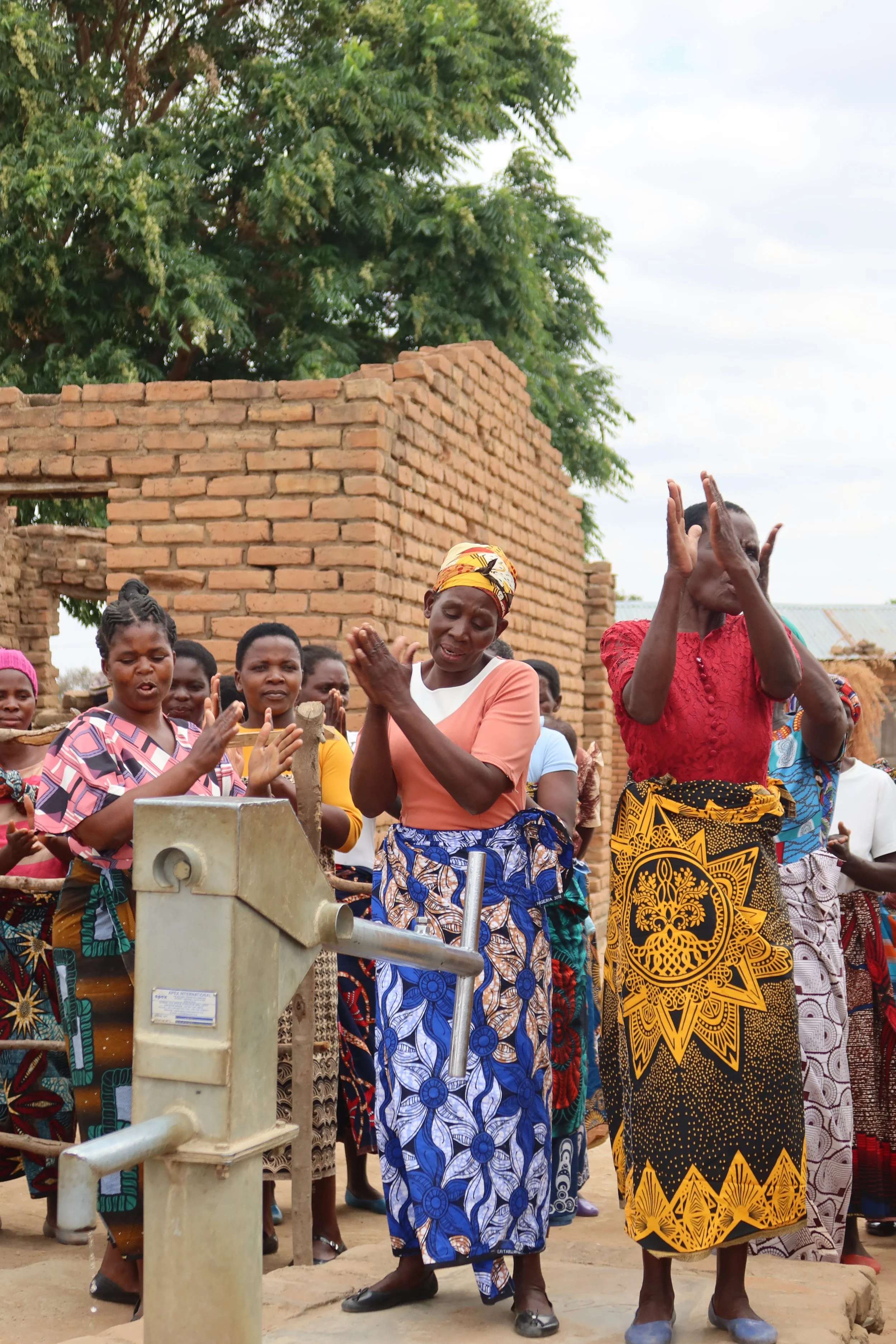
Despite progress, millions of people in Malawi still lack access to safe water, sanitation, and hygiene, placing children and vulnerable households at continued risk.
Safe and reliable WASH services are therefore both a public health intervention and a protection measure. By ensuring sustainable access to water, sanitation, and hygiene, communities are better able to prevent disease, maintain dignity, and withstand health and climate shocks.
Make an Impact Today
When you give, you invest in progress, compassion, and a better world for everyone.